
Sapphire Identifier —
Natural, Synthetic, or Simulant?
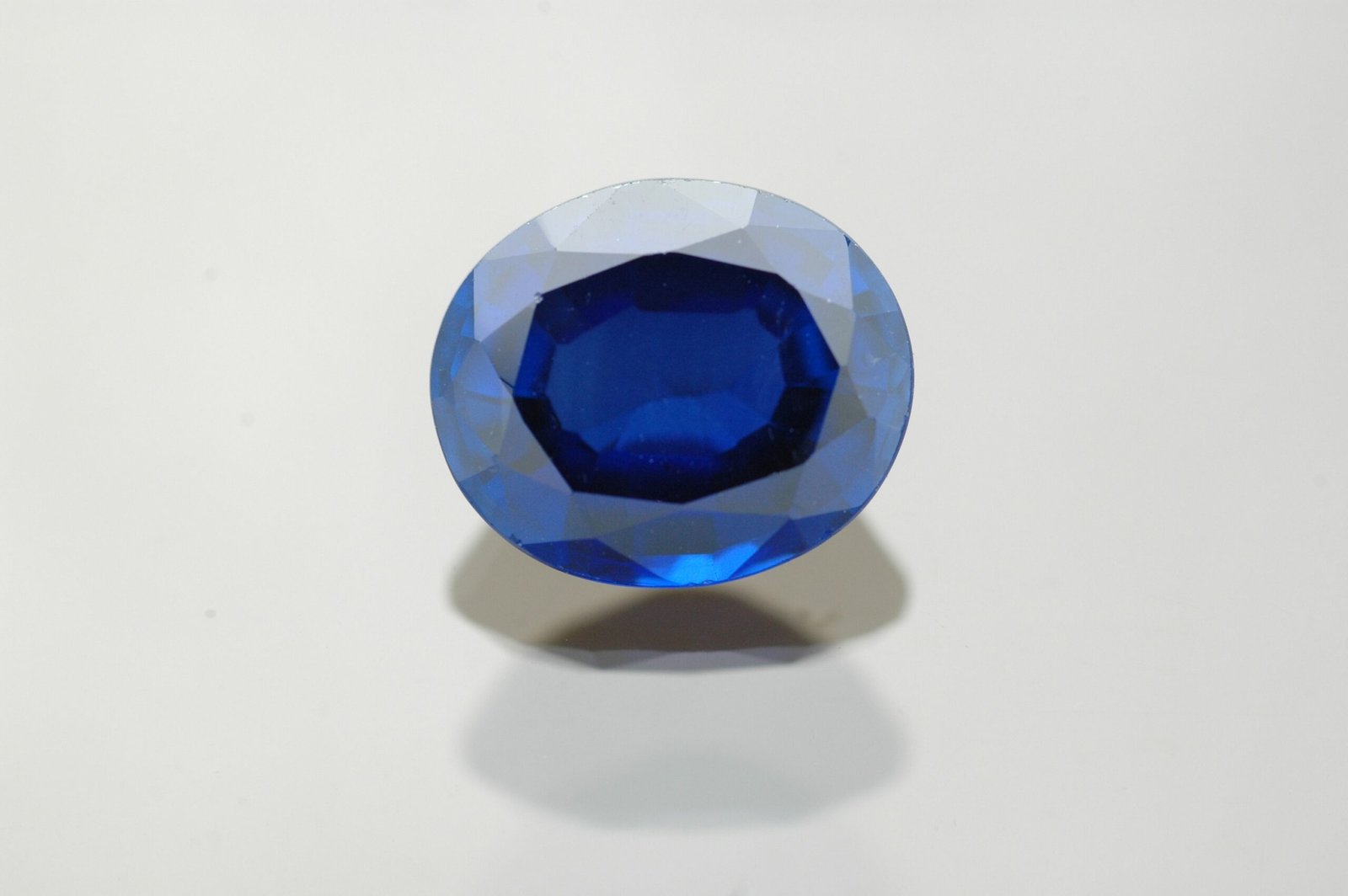
Upload a photo of your sapphire — loose stone, set in jewellery, or rough — and our AI identifies whether it is natural, synthetic, or a simulant, assesses colour quality and origin indicators, flags heat treatment, and gives you a complete expert profile in seconds. Free, no sign-up required.
What You Get in Every Result
- Sapphire identification verdict — Natural / Synthetic / Simulant
- Confidence percentage with full visual reasoning
- Colour variety — Blue, Pink, Yellow, Padparadscha, White, Star
- Colour quality — hue, tone, saturation assessment
- Heat treatment indicators from photo analysis
- Geographic origin indicators — Kashmir, Burma, Ceylon, Montana
- Similar stones and how to distinguish them
- Collector value indication and next steps
Sapphire Identifier
Identify sapphire (corundum) in rough or cut form vs common blue look-alikes and synthetics
Drag & drop photos here
or click to browse
JPG, PNG, WEBP accepted
0 of 3 images added
Add details for better accuracy (optional)
Upload up to 3 angles for the most accurate result
Description
Origin / formation
Is Sapphire
Variety
Corundum clues
Colour
Inclusions
Treatment
Synthetic
Probable origin
Hardness (Mohs)
Luster
Rarity
Relative value
Notable localities / regions
Typical colours
Key properties
Similar gemstones
Alternative identifications
Note: Sapphire value and treatments can only be confirmed by gemological testing. Photo ID is a starting point, not an appraisal.
What Is a Sapphire — and What Makes It Valuable?
Sapphire is the gemstone name for gem-quality corundum (aluminium oxide, Al₂O₃) in any colour except red — red corundum is called ruby. The two are the same mineral species, distinguished only by colour. Sapphires owe their colours to trace element impurities within the corundum crystal: iron and titanium produce blue, chromium produces pink, and combinations of these elements produce the full spectrum of sapphire colours.
Sapphire is one of the hardest natural minerals on Earth — Mohs 9 — second only to diamond. This extreme hardness makes it exceptionally durable for jewellery, which is one of the reasons it has been prized for thousands of years. Combined with its vivid colour range, high refractive index, and rarity in fine qualities, sapphire is one of the four traditional precious gemstones alongside diamond, ruby, and emerald.
The corundum family — sapphire and ruby are the same mineral
Both sapphire and ruby are corundum (Al₂O₃). The distinction is purely commercial and colour-based: red corundum = ruby, all other colours = sapphire. The boundary between ruby and pink sapphire is genuinely contested — different gemological laboratories draw the line differently, and this distinction can have significant commercial implications. Our tool identifies both the variety (sapphire vs ruby) and the specific colour designation.
Sapphire Colour Varieties — Beyond the Blue
While blue sapphire is the most famous variety, sapphire occurs in a remarkable range of colours — each with its own market, value drivers, and characteristic appearance. Our AI identifies all sapphire colour varieties.
Natural, Synthetic, and Simulant Sapphires
The sapphire market contains all three categories in large quantities. Understanding the distinction is critical because the value difference between a natural unheated sapphire and a synthetic is enormous — potentially thousands of dollars per carat versus a few dollars per carat.
“The majority of blue sapphires on the commercial market — perhaps 95% or more by some estimates — have been heat-treated. Heat treatment is accepted and expected in the trade. What commands extraordinary premiums is a fine-quality natural sapphire with a reputable laboratory certificate confirming no heat treatment. These stones are genuinely rare.”
Sapphire Origins — Why Geographic Source Matters
Unlike most gemstones where origin is a geological footnote, sapphire origin has a profound effect on value. A Kashmir sapphire commands premiums of 5–20× equivalent quality stones from other origins. Our AI identifies visible origin indicators — colour character, inclusion types, and optical properties that correlate with specific geographical sources.
| Origin | Characteristic Colour | Key Visual Indicator | Premium Status |
|---|---|---|---|
| Kashmir, India | Velvety cornflower blue — soft, milky, intensely saturated | Characteristic hazy, velvety quality from microscopic rutile inclusions scattering light | Ultimate Premium |
| Burma (Myanmar) | Deep royal blue — vivid, slightly violet secondary hue | Strong fluorescence under UV; distinctive inclusion types including growth tubes | Top Tier |
| Ceylon (Sri Lanka) | Light to medium blue — often slightly milky, cornflower to royal | Strong natural silk inclusions; characteristic colour zoning; wide colour range | High Value |
| Madagascar | Wide range — royal blue to teal; also excellent pinks | Can closely resemble Ceylon stones; some material has strong colour saturation | Good Value |
| Montana, USA | Teal to blue-green; cornflower blue (Yogo Gulch); also grey-blue | Typically small; Yogo sapphires are notable for natural, unheated cornflower blue | Collectible |
| Thailand / Cambodia | Dark blue to blue-black; often heavily included before heat treatment | Major source of heated commercial sapphire; typically dark before treatment | Commercial Grade |
| Australia | Dark blue to blue-black, often greenish or inky | Characteristic dark, slightly greenish tone; major source of commercial-grade material | Commercial Grade |
Origin determination requires laboratory testing
Our AI identifies visual characteristics that are consistent with specific geographic origins — the velvety quality of Kashmir material, the inclusion types typical of Ceylon stones, or the colour character associated with Burma. However, definitive geographic origin determination requires microscopic inclusion analysis and chemical trace element testing by a specialist gemological laboratory such as GIA, Gübelin, or SSEF. For high-value stones where origin significantly affects price, laboratory origin determination is essential.
Sapphire Treatments — What to Know Before Buying
Treatment disclosure is one of the most important topics in the sapphire market. The vast majority of commercial sapphires are treated in some way — and treatments vary enormously in their impact on value and durability. Here are the treatments our AI screens for:
Sapphire Look-Alikes — Common Confusions
Blue is one of the most commonly occurring colours in gemstones, and several minerals closely imitate sapphire’s appearance. These are the most frequently confused alternatives:
- Blue Topaz. The most common blue gemstone sold commercially. Much softer (Mohs 8), lighter weight, and lower refractive index than sapphire. Perfect basal cleavage — it chips easily in one direction. Swiss blue and London blue topaz have a distinctive slightly grey-blue tone that differs from the warmer blue of fine sapphire. Irradiation-treated blue topaz is very common.
- Aquamarine. Pale blue-green beryl — lighter in tone than sapphire, with a characteristic slight greenish or teal modifier. Mohs 7.5–8, lower hardness. Very high clarity is typical — aquamarine rarely contains inclusions. The blue-green colour and high transparency are characteristic. Heat treatment removes the greenish component to produce a purer blue.
- Tanzanite. Vivid blue-violet zoisite. The strong violet secondary hue and exceptional trichroism — showing blue, violet, and burgundy simultaneously depending on viewing direction — are characteristic. Much softer than sapphire (Mohs 6.5) and more fragile. Heat treatment removes the brownish component. Not a traditional gemstone — only discovered in 1967.
- Blue Spinel. One of the most convincing sapphire simulants — same hardness range, similar luster and transparency. Key differences: spinel is singly refractive (no doubling of back facets), while sapphire is doubly refractive. Spinel also lacks the silk inclusions characteristic of natural sapphire and typically shows different inclusions under magnification.
- Iolite. A strongly pleochroic blue gemstone — shows blue, grey, and colourless in three directions. The strong colour change between viewing directions is diagnostic. Mohs 7–7.5, softer than sapphire. Much lower refractive index and dispersion. The characteristic pleochroism makes confusion with sapphire unlikely on close examination.
- Blue Glass and Synthetic Blue Spinel. Both common simulants. Glass shows bubbles or swirl marks, much lower hardness, and a different weight. Synthetic blue spinel lacks inclusions and shows distinctive curved growth features under magnification.
The double refraction test for distinguishing sapphire from spinel
Sapphire is doubly refractive — when you look through the stone with a loupe at the back facets, you see slightly doubled images of each facet edge. Spinel is singly refractive and shows no doubling. This test, performed with a 10× loupe looking through the table facet toward the pavilion, can distinguish sapphire from spinel without any specialist equipment. Blue topaz and aquamarine also show double refraction; their lower hardness and different optical properties provide additional confirmation.
Frequently Asked Questions
Have a Sapphire to Identify?
Upload your photo above for an instant AI assessment — or explore our full range of identifier tools below.
Identify My Sapphire ↑