
Aquamarine Identifier —
Natural, Treated, or Simulant?
Upload a photo of your aquamarine — loose, set in jewellery, or rough — and our AI identifies whether it is natural aquamarine, another blue beryl variety, or one of the many blue simulants such as blue topaz or blue glass. Get colour quality assessment, origin indicators, and treatment notes in seconds. Free, no sign-up required.
What You Get in Every Result
- Aquamarine verdict — Natural / Look-alike / Simulant
- Confidence percentage with full visual reasoning
- Colour grade — Santa Maria, Espirito Santo, Martha Rocha, AAA
- Heat treatment indicators — greenish vs pure blue
- Simulant identification — blue topaz, blue glass, synthetic spinel
- Geographic origin indicators — Brazil, Pakistan, Madagascar, Nigeria
- Beryl family distinction — aquamarine vs maxixe vs green beryl
- Clarity assessment and collector value indication
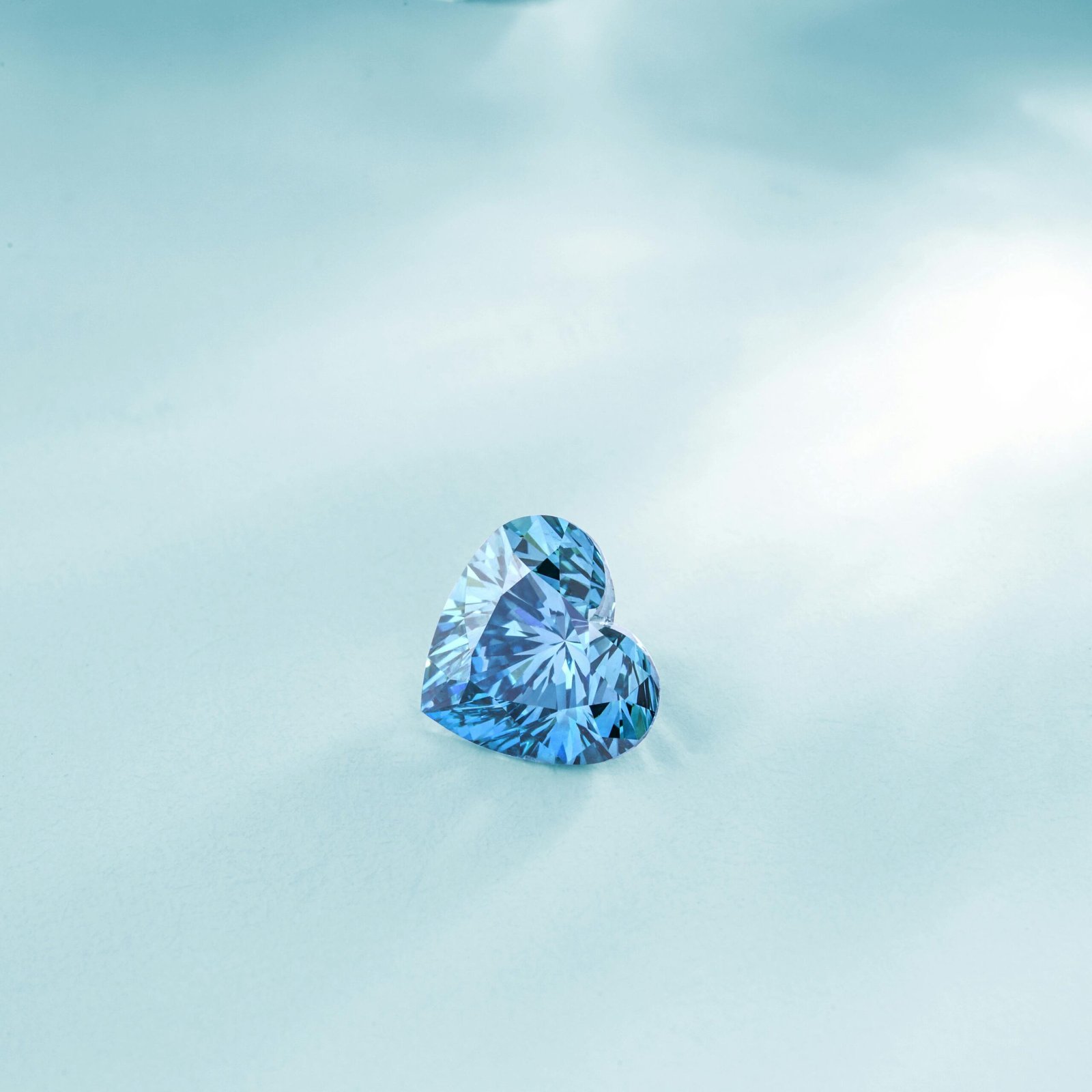
Aquamarine Identifier
Identify aquamarine (blue beryl) vs blue topaz, blue zircon, glass, and synthetic/spinel look-alikes
Drag & drop photos here
or click to browse
JPG, PNG, WEBP accepted
0 of 3 images added
Add details for better accuracy (optional)
Upload up to 3 angles for the most accurate result
Description
Origin / formation
Is Aquamarine
Beryl habit
Colour
Inclusions
vs topaz
vs glass
Treatment / synthetic
Probable origin
Hardness (Mohs)
Luster
Rarity
Relative value
Notable localities / regions
Typical colours
Key properties
Similar gemstones
Alternative identifications
Note: Aquamarine (beryl) vs blue topaz/zircon typically requires gem testing (RI/SG) and magnification. Photo ID is a starting point, not an appraisal.
What Is Aquamarine — The Sea-Water Gem
Aquamarine is the blue to blue-green variety of beryl (Be₃Al₂Si₆O₁₈) — the same mineral species that produces emerald, morganite, and heliodor. The name comes from the Latin aqua marina — sea water — and the colour it describes is almost exactly that: a clear, luminous blue ranging from the palest sky to a rich ocean blue, sometimes with a greenish secondary hue.
Aquamarine owes its colour to trace amounts of iron in its crystal structure — specifically Fe²⁺ (ferrous iron) produces the blue, while Fe³⁺ (ferric iron) produces yellow. When both are present, the stone appears green. Heat treatment oxidises Fe²⁺ to Fe³⁺ and removes the greenish component, leaving a purer blue — which is why most commercial aquamarine has been heat treated to improve its colour. Unlike emerald, aquamarine typically forms under less turbulent geological conditions and is usually exceptionally clean — inclusions are relatively rare, which means high clarity is the norm rather than the exception.
Aquamarine vs emerald — the same mineral, a very different gem
Both aquamarine and emerald are beryl. The fundamental difference is colouring agent and the conditions of formation. Emerald forms in hydrothermal veins under geologically complex conditions that introduce chromium and vanadium but also trap inclusions, fractures, and impurities. Aquamarine forms in pegmatites — large-crystal granite intrusions — under less turbulent conditions that produce clean, well-formed crystals. This is why aquamarine is typically eye-clean while emerald is almost never so. Aquamarine’s clarity is not a sign of lower quality — it is an intrinsic characteristic of how this beryl variety forms.
Aquamarine Colour Grades — From Santa Maria to AAA
Aquamarine colour is the primary value driver. The finest aquamarine shows a vivid, saturated blue with no greenish modifier — and the colour grade system uses origin-based names that have become standard trade designations, applied globally regardless of actual geographic source.
“The finest Santa Maria aquamarine from the mines of Minas Gerais — a deep, saturated pure blue with no green modifier and exceptional transparency — is genuinely breathtaking. Unlike other prized gemstones, aquamarine’s appeal is serene rather than fiery: it is the colour of clear tropical shallows at midday, and no other gem captures that particular quality of light.”
Heat treatment and colour — what “natural blue” means for aquamarine
Most commercial aquamarine is heat treated at relatively low temperatures (approximately 400–450°C) to remove the greenish component and produce a purer blue. This treatment is considered so standard and universal that it is rarely explicitly disclosed — it is simply understood in the trade. A natural unheated aquamarine showing greenish-blue colour from its original Fe²⁺ iron content is technically more natural, but the heated pure blue is generally considered more beautiful and commands higher prices. Unlike ruby or sapphire, “heat treated” carries no stigma in aquamarine — it is essentially universal and accepted.
Aquamarine vs Maxixe Beryl — An Important Distinction
Within the blue beryl category, a distinction exists between true aquamarine and a variety called Maxixe beryl — both are blue beryl, but they behave very differently and their market values differ accordingly.
Maxixe beryl — the deep blue that fades in daylight
Maxixe beryl is sometimes encountered in old collections and occasionally in markets as “deep blue aquamarine.” Its colour is caused by colour centres from natural or artificial irradiation rather than iron — and it is photosensitive, fading rapidly to pale colourless or yellowish on exposure to light. Do not store Maxixe beryl in sunlight. A deeply saturated indigo-blue beryl that fades quickly is almost certainly Maxixe. Our AI flags abnormally deep blue colour in beryl as a potential Maxixe indicator.
Aquamarine Origins — Where the Finest Stones Come From
Aquamarine is found on every continent, but the finest gem-quality material is concentrated in a handful of localities. Geographic origin has a moderate effect on aquamarine value — primarily because certain localities consistently produce the deep Santa Maria colour quality.
| Origin | Characteristic Colour | Key Feature | Market Status |
|---|---|---|---|
| Brazil (Minas Gerais) | Full range — pale commercial to finest Santa Maria deep blue | World’s dominant aquamarine source. Santa Maria mine produces the colour benchmark. Also home to the 110kg “Marta Rocha” crystal — one of history’s largest gem aquamarines | Premier — all grades including finest |
| Pakistan (Shigar Valley, Gilgit) | Deep blue — often excellent saturation; some of the finest colour outside Brazil | High-altitude pegmatite deposits produce superb crystals with exceptional colour and transparency. Nagar and Skardu districts. Sought by collectors as rough specimens | Top Tier — finest deep blue |
| Zambia (Santa Maria Africana) | Deep, vivid blue — matches Santa Maria colour standard from Brazil | Produces Santa Maria Africana — material that achieves the Santa Maria colour grade. Increasingly important commercial source | Premium — Santa Maria colour quality |
| Madagascar | Variable — pale to medium blue; some fine material | Important commercial source. Wide quality range — excellent material available alongside commercial grade. Some maxixe beryl also found | Commercial — variable quality |
| Nigeria | Good medium blue — consistent commercial quality | Significant commercial producer. Generally well-coloured material. Consistent supply for commercial jewellery | Good Commercial — reliable quality |
| Afghanistan | Good to excellent blue — some very fine colour | Kunar province produces notable aquamarine alongside fine tourmaline. Limited but growing importance. Increasingly collected | Emerging — collector interest |
| Russia (Ural Mountains) | Pale to medium blue — historically important, now limited | Classic 19th-century source. Largely exhausted. Historical specimens in museum collections. Limited modern production | Historical — collector only |
Aquamarine Look-Alikes — The Blue Gem Confusion
Blue is one of the most commercially desirable gemstone colours, and aquamarine occupies a specific price tier that makes substitution economically attractive. These are the stones most commonly confused with or sold in place of aquamarine:
The weight test — the fastest aquamarine field identification
Aquamarine’s specific gravity of 2.72 is at the lower end for gemstones — it is significantly lighter than topaz (3.53), sapphire (4.0), or zircon (4.7). When you hold a pale blue stone and it feels notably light and airy for its size, this is consistent with aquamarine or other beryl. If it feels unexpectedly heavy, it is almost certainly not aquamarine — sapphire and topaz both feel dramatically heavier. This weight test is not precise but is immediately accessible and eliminates several common simulants in seconds.
Notable Aquamarines and the Gem’s Place in History
Aquamarine has a long history of cultural and royal significance, and several extraordinary specimens have shaped the gem’s reputation:
- The Dom Pedro Aquamarine. The largest aquamarine gem ever cut — 10,363 carats — cut by German master lapidary Berndt Munsteiner from a 60kg crystal found in Minas Gerais, Brazil. Now displayed at the Smithsonian Institution in Washington DC. The obelisk-cut stone stands 36cm tall and demonstrates the potential crystal size aquamarine can achieve in pegmatite conditions.
- The Roosevelt Aquamarine. A 1,847-carat rough crystal from Brazil was presented to US First Lady Eleanor Roosevelt by the Brazilian government in 1936 — the largest aquamarine ever given to a US official. Stones cut from the crystal entered several major collections.
- Royal collections. Aquamarine has long been favoured by European royalty. Queen Elizabeth II owned several important aquamarines, including a tiara and matching necklace set given to her by Brazil as a coronation gift in 1953 — later expanded with stones from the same colour lot to create a full parure.
- Art Nouveau and Arts and Crafts. Aquamarine was a favourite stone of the Art Nouveau jewellery movement — its pale, luminous blue-green colour suited the flowing organic aesthetic of Lalique, Fabergé, and the great designer-jewellers of the early 20th century. Many of the finest vintage aquamarines appear in pieces from this era.
- March birthstone. Aquamarine is the birthstone for March — a designation that significantly drives commercial demand and makes it among the more widely owned precious gemstones globally.
Aquamarine Care — A Durable and Practical Gem
Aquamarine is among the most practical of the precious gemstones for everyday jewellery — it is hard, lacks cleavage in most orientations, resists scratching well, and requires minimal special care. Here is what to know:
- Hardness and durability. At Mohs 7.5–8, aquamarine is harder than most materials it encounters in daily use. It does not scratch easily and maintains its polish well over years of wear. It lacks the perfect cleavage of topaz, making it more resistant to impact. Aquamarine is a genuinely practical ring stone with appropriate settings.
- Cleaning. Aquamarine cleans easily with mild soap and lukewarm water — a soft brush to reach behind settings is all that is needed. Ultrasonic cleaning is generally safe for clean, unincluded aquamarine. Avoid steam cleaning and harsh chemical cleaners.
- Light stability. Standard aquamarine — iron-coloured blue beryl — is fully stable in daylight and does not fade. (Maxixe beryl, the irradiation-coloured deep blue variety, is not stable — but this is rarely encountered in commercial jewellery.) Aquamarine can be safely stored in any lighting condition.
- Thermal shock. Avoid sudden extreme temperature changes — the thermal expansion difference between a cold stone and very hot water can cause internal stress fractures in any gemstone. Let aquamarine reach room temperature gradually before exposure to hot environments.
- Prolonged direct sun. While standard aquamarine colour is iron-based and stable, some natural stones from specific localities have been reported to show very slight fading over years of intense direct sunlight exposure. This is uncommon but worth avoiding as a precaution — store jewellery away from sustained direct sunlight.
Frequently Asked Questions
Have an Aquamarine to Identify?
Upload your photo above for an instant AI assessment — or explore our full range of identifier tools below.
Identify My Aquamarine ↑